Compare compact, single-drum, and tandem road rollers for repair work, gravel bases, asphalt finishing, and distributor planning.
Road construction does not rely on one compaction method. Tight repair zones, gravel foundations, and finished paved surfaces create different demands for machine size, vibration, mobility, and drum configuration. For importers and equipment distributors, understanding these differences helps build a practical road roller range for multiple customer groups.
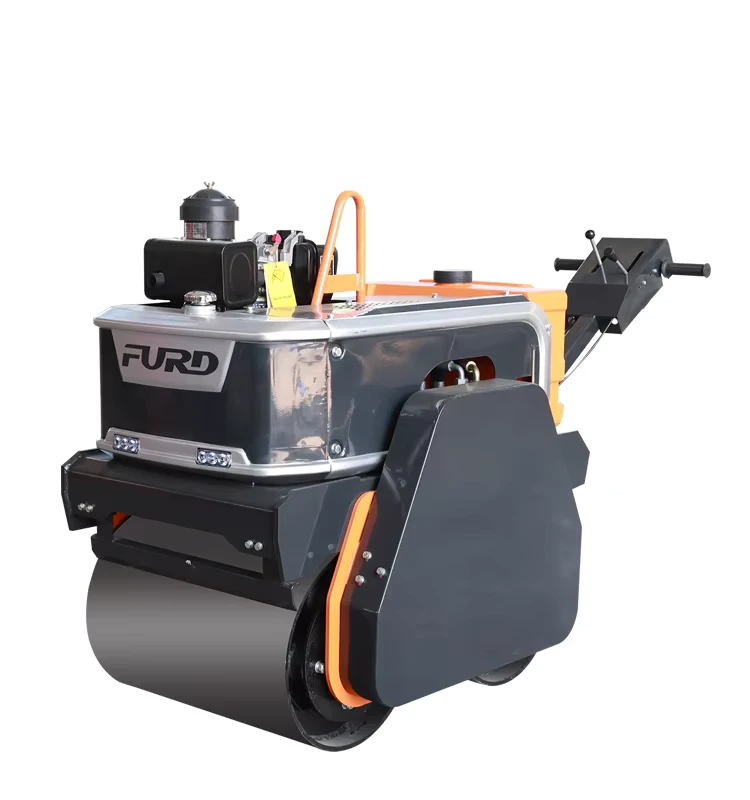
Compact Equipment for Restricted Work Areas
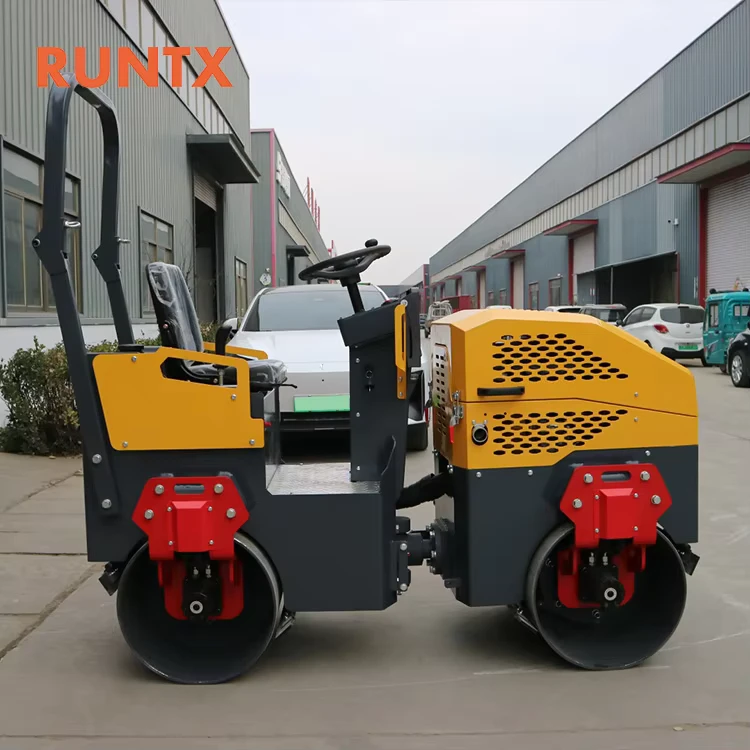
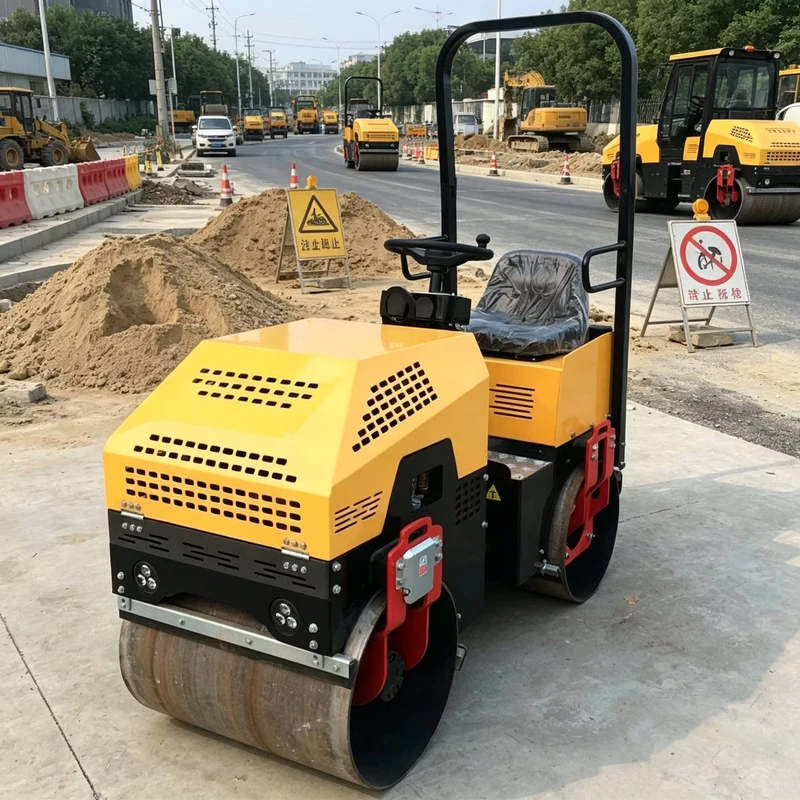
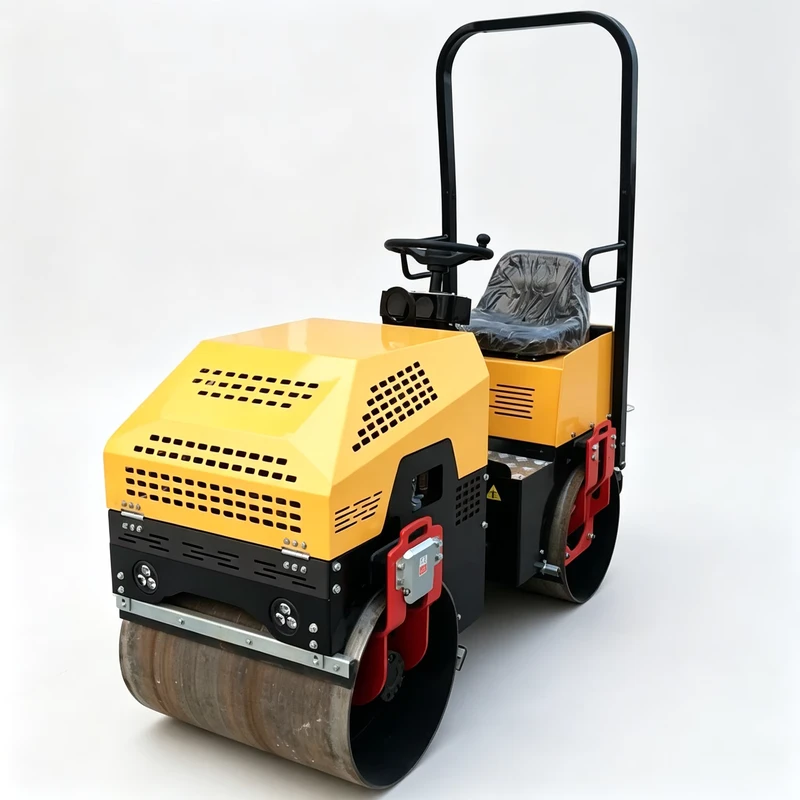
The compact diesel roller combines a 9 hp engine with a double-drum design. Its dimensions of 1100 × 1450 × 1200 mm support operation where maneuvering space is limited. A travel speed of up to 4 km/h and 30% gradeability make it a practical option for patching, sidewalks, landscaping, and smaller construction sections.
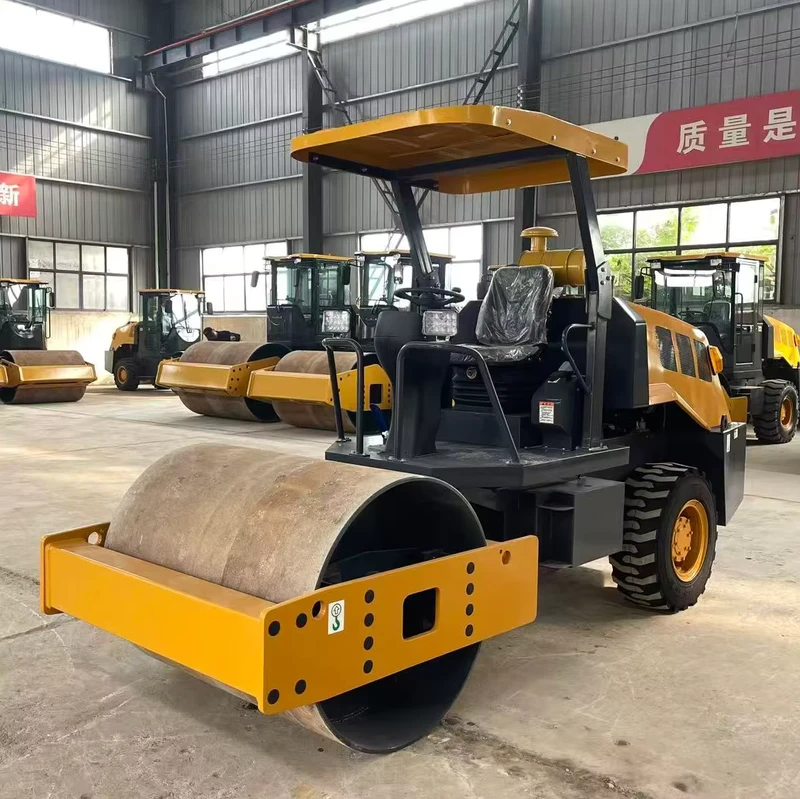
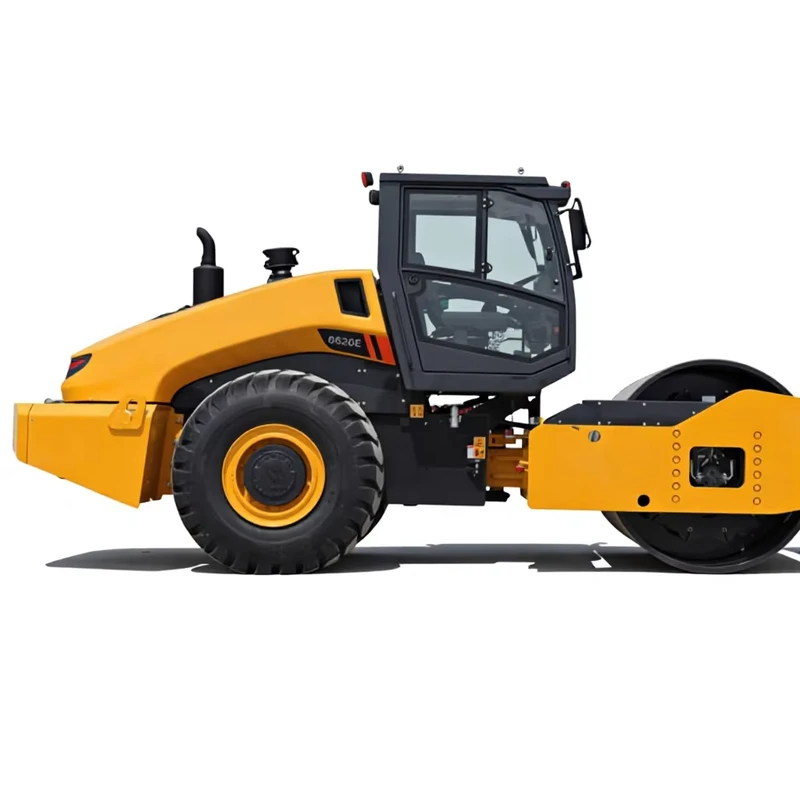
For broader gravel roads and base-layer work, the single-drum model provides 60 kN exciting force and 36 kW power. Its fully hydraulic system, Kama engine, and YUKEN pump support demanding site operation. With travel speeds reaching 18 km/h and 30% gradeability, the machine can move efficiently between compaction passes and working areas.
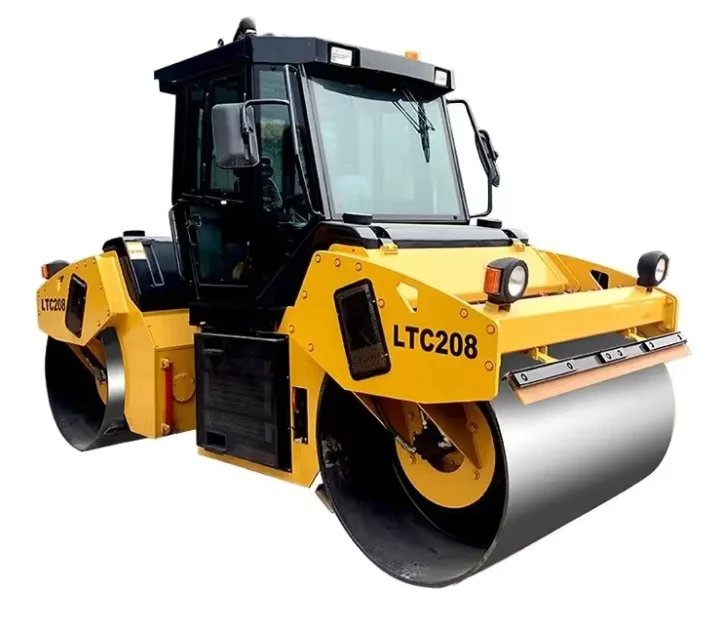
A Tandem Option for Surface Compaction
The tandem roller uses two vibrating drums with 2 × 30 kN exciting force. Its 26.5 kW engine, maximum travel speed of 12 km/h, and 25% gradeability provide a balanced specification for road finishing and paved surfaces. Low maintenance cost is also a relevant consideration for rental fleets and distributors serving cost-conscious contractors.
These three configurations allow buyers to address compact jobs, heavier foundation work, and smoother finishing applications without forcing one machine into every task. Contact us to discuss specifications, target markets, documentation, and supply options for your next road roller order.